Understanding Male Demographic Statistics
Demographic statistics, particularly those focusing on the male population, offer a wealth of information that can be both fascinating and incredibly useful. These data points provide insights into age, income, education, and more, which are essential for a wide range of applications from marketing to social research.
Why Focus on Male Demographics?
The male demographic is a critical segment in many studies and analyses. Understanding this group can help in tailoring products, services, and policies that better meet their needs and preferences. This focus is not just about numbers; it's about uncovering patterns and trends that can drive meaningful change and innovation.
Creative Uses of Male Demographic Data
For creators and designers, demographic data can be a goldmine for inspiration. Imagine designing a new product or service with a specific age group of men in mind. By understanding their common interests, challenges, and lifestyle, you can create something truly resonant and impactful.
- Market Research: Use demographic data to identify key segments within the male population. This can help in creating targeted marketing campaigns that speak directly to these groups.
- Social Media Campaigns: Tailor your content and messaging to align with the demographics of your male audience. This can increase engagement and conversions.
- Product Development: Develop products that cater to the specific needs and preferences of different male demographics. For example, health and wellness products for older men or tech gadgets for younger males.
Visualizing Male and Female Population Data
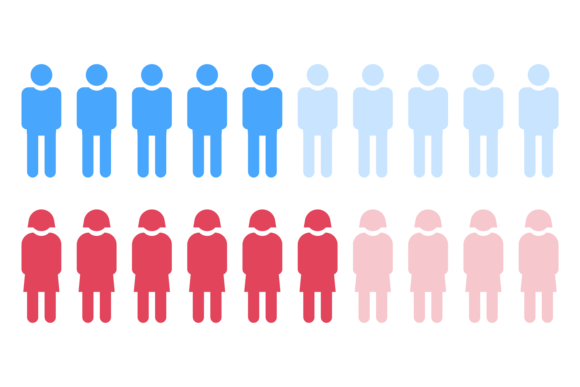
Infographics are a powerful tool for presenting demographic data. An infographic that shows the male and female population isolated on a white background can be used in various formats such as EPS, JPG, SVG, and transparent PNG. This visual representation makes it easier to understand complex data at a glance.
For marketers and publishers, infographics can be an engaging way to share demographic insights. They can be used in blog posts, social media, and presentations to highlight key findings and trends. Here’s how you can make the most of these visuals:
- Clear and Concise: Ensure that the infographic is easy to read and understand. Use clear labels, simple charts, and minimal text.
- Consistent Style: Maintain a consistent visual style throughout the infographic. This includes using a harmonious color palette and similar fonts.
- Data Accuracy: Always verify the accuracy of the data you are presenting. Credibility is key when sharing demographic information.
Adapting for Different Goals and Audiences
One of the strengths of demographic data is its versatility. Different users can adapt this information for various goals and audiences. For instance, educators can use demographic data to tailor their teaching methods to better engage male students. Entrepreneurs can leverage this data to identify potential market gaps and opportunities.
Consider the following examples:
- Educational Programs: Design curricula that address the specific learning needs and interests of male students. This can lead to higher engagement and better academic outcomes.
- Health Initiatives: Develop public health campaigns that target specific issues affecting men, such as prostate health or mental well-being.
- Community Engagement: Create community programs that cater to the interests and needs of local male populations, such as sports leagues, job training, or support groups.
Practical Tips for Using Demographic Data
To ensure that your use of demographic data is effective and audience-friendly, consider the following tips:
- Stay Relevant: Make sure the data you are using is up-to-date and relevant to your specific audience and context.
- Be Inclusive: While focusing on the male demographic, also consider how your insights and solutions can benefit the broader community, including women and other groups.
- Encourage Feedback: Gather feedback from your target audience to refine and improve your approach. This can help in making your initiatives more effective and impactful.
By leveraging demographic statistic elements, you can unlock a world of creative possibilities and practical applications. Whether you are a designer, marketer, or educator, understanding and using this data can help you connect more deeply with your audience and achieve your goals more effectively.