Understanding Business Data Vector Concept Color and Its Role in Modern Financial Analysis
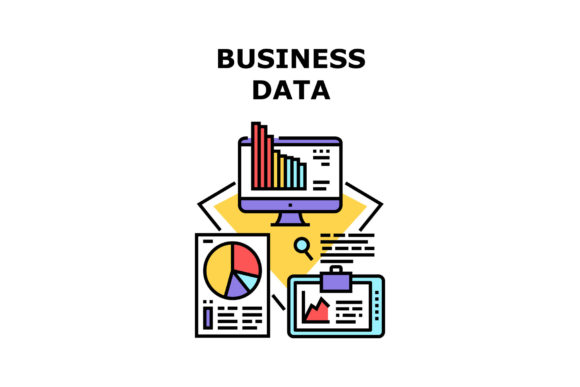
In the dynamic world of business, visual representation plays a crucial role in making data more accessible and understandable. One such powerful tool is the Business Data Vector Concept Color, which not only enhances the aesthetic appeal of financial reports but also aids in better comprehension and analysis.
The Importance of Visual Aids in Business Data
Visual aids, particularly those using vector graphics, are essential for presenting complex financial and market information. They help in breaking down intricate data into digestible chunks, making it easier for stakeholders to grasp key insights at a glance. The use of color in these vectors is not just about aesthetics; it's a strategic choice that can significantly impact how data is perceived and interpreted.
Key Features of Business Data Vector Icons
- Versatility: Business Data Vector icons are highly versatile and can be used across various platforms, from digital presentations to print media.
- Scalability: These icons can be resized without losing quality, ensuring that they look sharp and clear in any format.
- Customizability: Users can easily modify colors, shapes, and other elements to align with their brand or specific project requirements.
How Business Data Vector Concept Color Enhances Financial Reporting
The strategic use of color in business data vectors can highlight important trends, differentiate between various data sets, and draw attention to critical information. For instance, using a consistent color scheme for different types of financial metrics (like revenue in blue, expenses in red, and profits in green) can make reports more intuitive and user-friendly.
Practical Benefits in Financial Analysis
- Improved Clarity: Colors help in distinguishing between different data points, making it easier to identify patterns and anomalies.
- Enhanced Engagement: Visually appealing graphics can engage stakeholders more effectively, leading to better retention of information.
- Efficient Communication: Clear and colorful visuals can convey complex information quickly, reducing the need for lengthy explanations.
Integrating Business Data Vector Icons into Modern Workflows
Modern businesses are increasingly adopting digital tools and platforms for their operations. Business Data Vector icons fit seamlessly into these workflows, enhancing the presentation of financial and market data. Whether it's for internal reports, client presentations, or public disclosures, these icons provide a professional and polished look.
Tools and Software for Creating Business Data Vectors
Several software tools, such as Adobe Illustrator, CorelDRAW, and Inkscape, offer robust features for creating and editing vector graphics. These tools allow users to design custom icons and infographics that can be tailored to specific needs. Additionally, there are numerous online resources and templates available that can help even those with limited design experience create high-quality visuals.
Choosing the Right Formats: JPG, EPS, and More
When it comes to choosing the right format for your business data vectors, two popular options are JPG and EPS. Each format has its own advantages and use cases:
- JPG: Ideal for web and digital use, where file size is a concern. However, it is a raster format, meaning it can lose quality when scaled up.
- EPS: Perfect for print and high-resolution displays. This vector format maintains quality at any size, making it ideal for professional documents and presentations.
Best Practices for Using Business Data Vector Concept Color
To get the most out of Business Data Vector Concept Color, consider the following best practices:
- Consistency: Use a consistent color palette across all your financial reports and presentations to maintain a cohesive and professional look.
- Accessibility: Ensure that the colors you choose are accessible to all viewers, including those with color vision deficiencies. Tools like Color Oracle can help test color accessibility.
- Clarity: Prioritize clarity over complexity. Avoid using too many colors or overly intricate designs, as this can confuse rather than inform.
Conclusion
The Business Data Vector Concept Color is a powerful tool for enhancing the presentation and analysis of financial and market data. By leveraging the strategic use of color and the versatility of vector graphics, businesses can create more engaging, informative, and visually appealing reports. Whether you're a seasoned financial analyst or a small business owner, incorporating these elements into your workflow can lead to more effective communication and better decision-making.